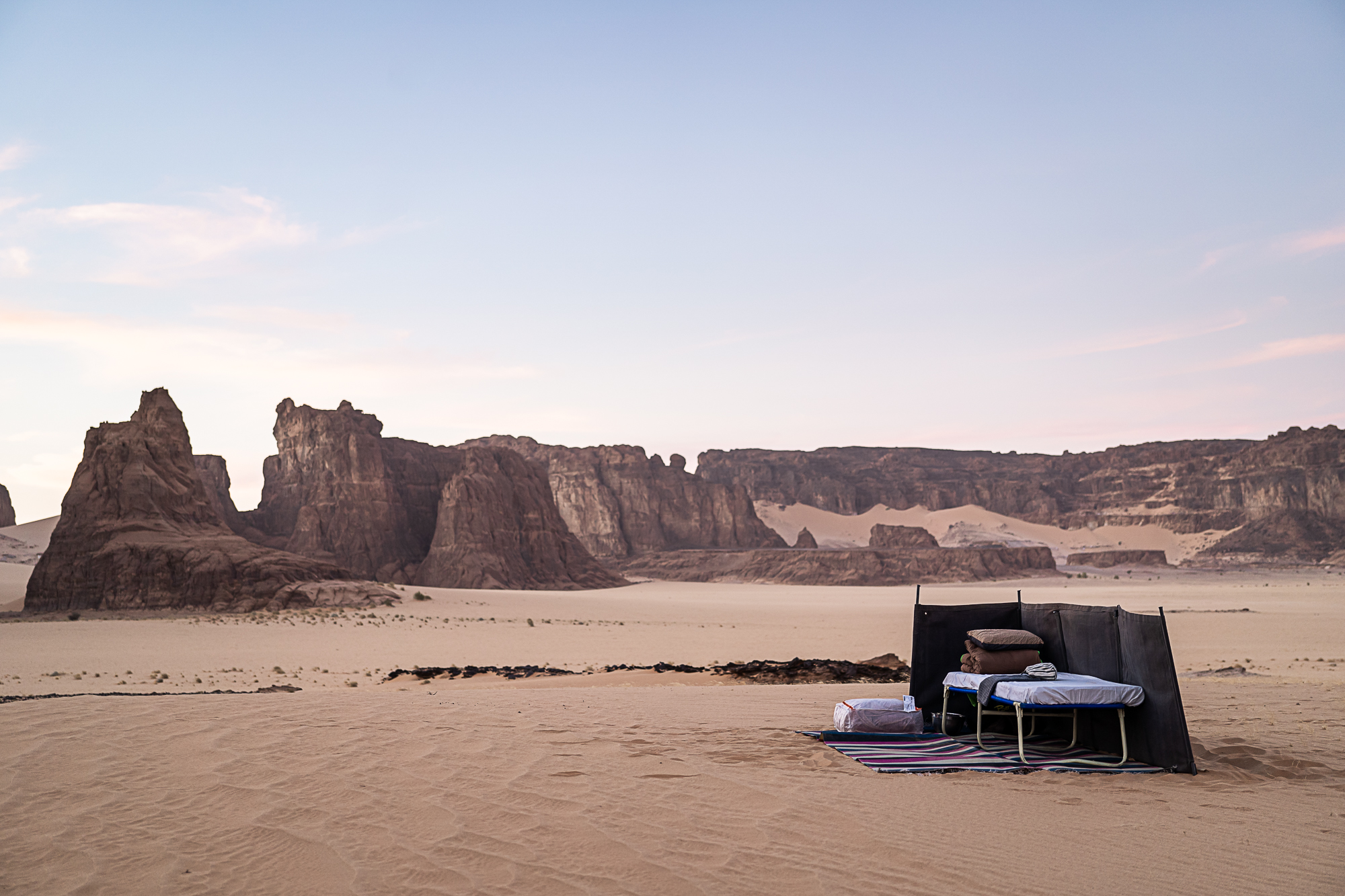
| "Each morning as the tent flap was drawn it was as though the curtain of the theatre had risen. But the drama that unfolded outside had neither a script nor a guaranteed conclusion."
Robert Vavra - Tent with a View.
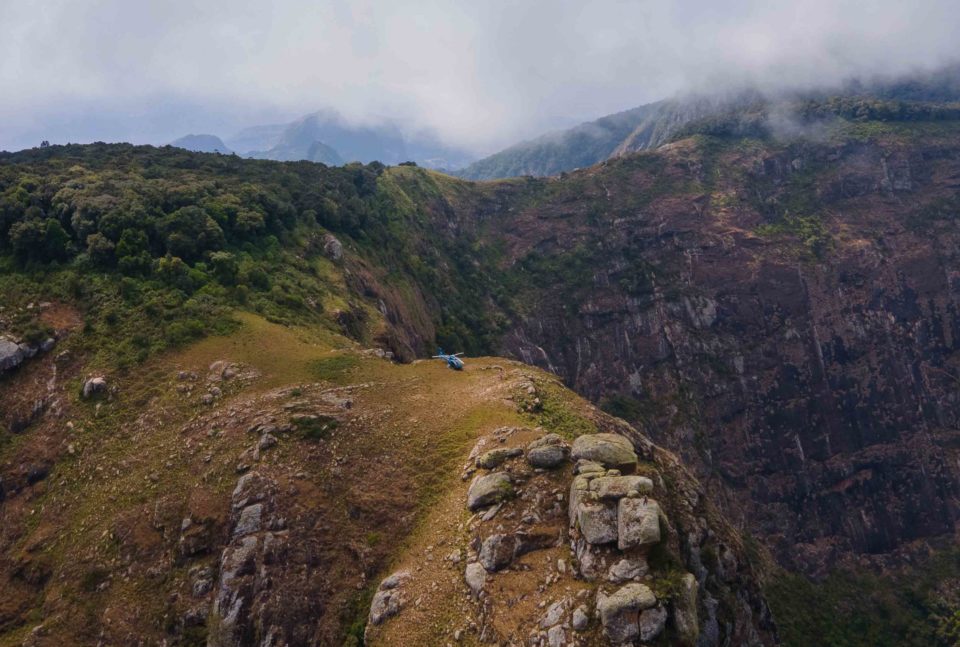
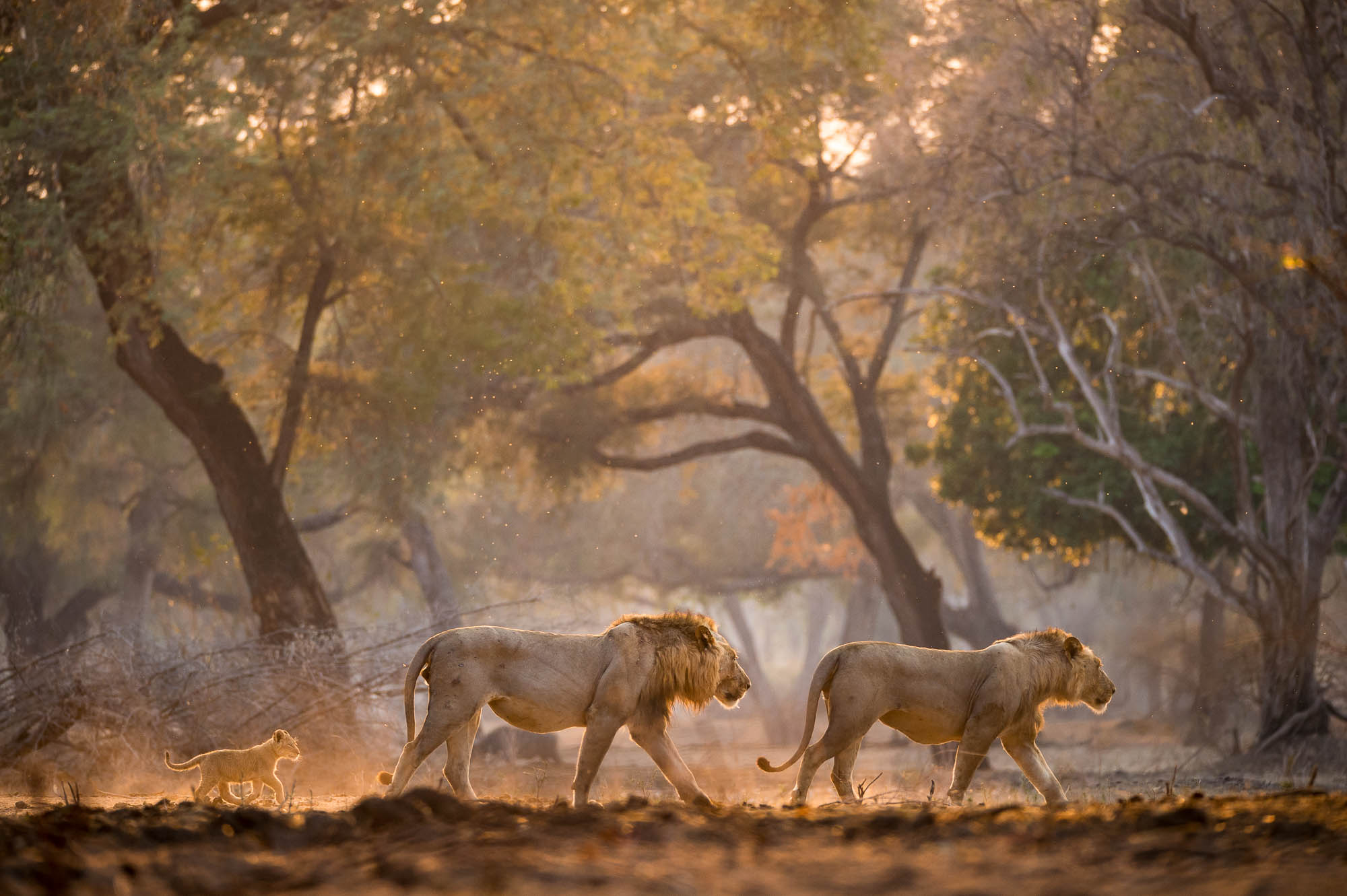
While well known for its extraordinary wildlife, Kenya also plays host to a magical coastline, to a large proportion of The Great Rift Valley, to the Central Highlands, and to a ribbon of stunningly diverse lakes. Populated by a people as varied as its terrain, it is a place of dreams, and it is here that we support - in partnership with local communities - a number of specialist luxury destinations.
With some notable exceptions, Kenya's parks and reserves have all suffered a decline in wildlife numbers in the last forty years. A recent study* has shown - contrary to what is generally thought - that these losses are not any more gradual in parks and reserves than those measured in unprotected areas. The reasons for this are a combination of climatic change (drought), human population growth and land management practice. With the formation of protected wildlife areas, and the establishment of borders between human and wildlife habitats, animals have been denied essential migration corridors. Animals used to long ranges - elephants, for example - are stuck in zones unable to support their foraging habits, and wooded areas (together with woodland species) are being eradicated.
At the same time, and despite the efforts made on their behalf, local communities have been divested of genuine reasons for investing in wild land: to them, wild animals are the reason why they are no longer able to graze their cattle on ancestral lands, and why they have to guard their livestock and crops against attack. In this light, it is easy to see how these same communities fight against returning unprotected land to the wild, and why, with more to feed, and less to live on, they encroach on protected land.
However, by refusing animals land to move in, and in condoning illegal land use, policy makers and local communities risk shooting themselves in the foot. Wild animals (particularly hoofed species) crucial to maintaining a given ecosystem's flora balance are forced out, or die off, resulting in the proliferation of types of plants useless to cattle, sheep or goats. With the land overgrazed and no longer able to support healthy domestic livestock, local communities are further impoverished.
All in all, the study shows that a policy promoting strictly observed protected areas ignores bigger picture conservationist thinking, which points to the need for interested parties coming together in the name of maintaining ecosystems that precede borders, human settlement patterns and cash crop economies.
These findings are borne out by the success of the Laikipia Plateau, a vast, unprotected tract of land situated in Central Kenya. Here wildlife numbers are on the increase, and endangered species are beginning to flourish. The future of wildlife - in the rest of Africa, as well as Kenya - may well rest in picking apart what makes places like the Laikipia tick. The answer, we feel, must come from a deeper understanding of - and respect for - the needs of all, from a change in practices detrimental to wild land, and from an acceptance of the importance of the kind of low density tourism we promote.
Fly-in Camp and Bush Homes Safaris
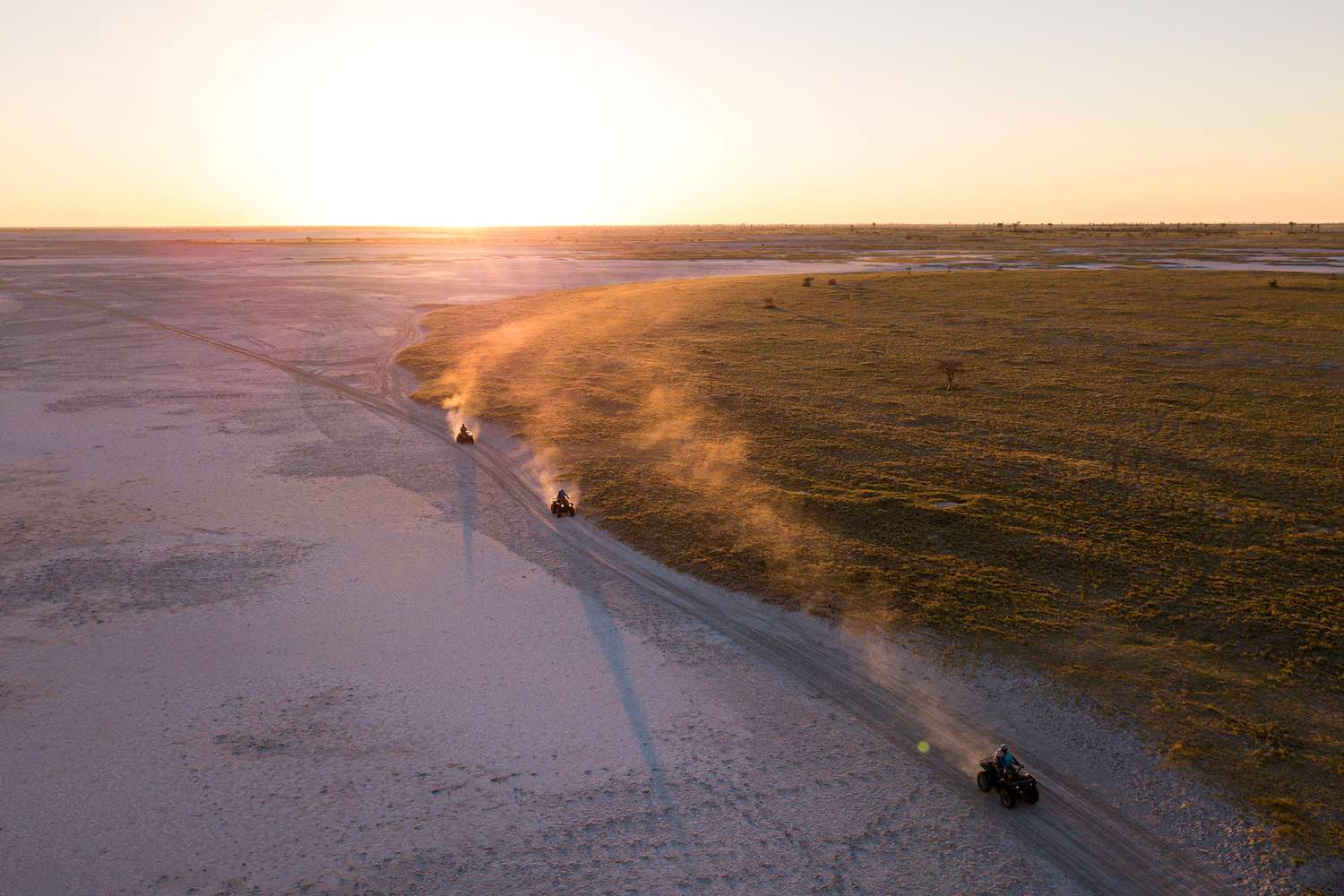
Possibly the most luxurious of safaris, the fly-in itineraries are often based around owner-run homes, or in specially designed camps. Small and beautifully managed, the camps are built in such a way as to grow, so to speak, from the land itself, and yet, at the same time, provide for the most sophisticated of tastes. Their backyards are the bush: vast and largely untouched swathes of privately run land that offer an exclusive and untainted image of wild Africa.
However, while we are obviously big fans of this type of journey, and everything it offers in the way of low density travel, Journeys by Design is also very much involved in the more established wildlife areas, and run the same kind of safari in the most conscientious of Kenya's parks and reserves. Indeed, for the first time visitor, whose main aim is to experience wildlife, we would recommend an itinerary that makes these territories their primary destinations.
Specialist Mobile Tented Safaris
One of the most authentic ways to travel, the mobile-tented safari takes its inspiration from the nomads of Africa, who, through necessity or by choice, live closest to the land; and from the early European traveler, whose attention to detail made for lavishly organised tours of the wild. Adventurous, professionally led, our latter-day caravans have been created with two things in mind : to expose the traveller to the real outdoors, and to do so in a style that beggars belief.
Beach Safari
Avoiding the better-known tourist destinations, our aim in journeying to paradisiacal backwaters like Kiwayu Island, or to Arabic Mombasa, is to give the traveller a taste of the real Swahili land. This timeless coastline, with its mosques and forts, its wild beaches, its glittering seas, is a place of simple joys. |